Unleashing the Thrilling Power of Cameras in Thriller Films
Category : | Sub Category : Posted on 2023-10-30 21:24:53
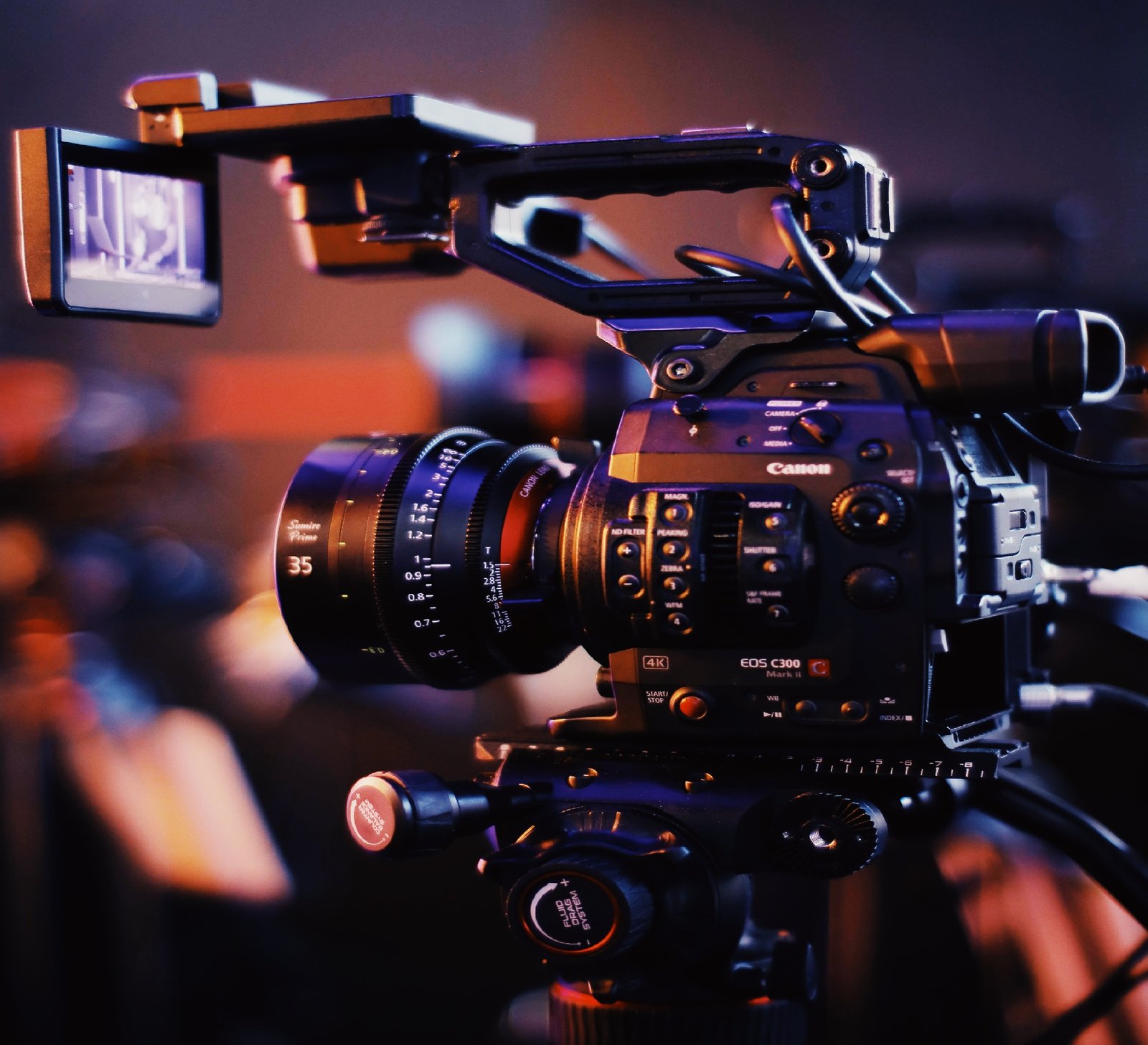
Introduction: Thriller films have always been known for their ability to keep us on the edge of our seats, captivated by suspense, anticipation, and unexpected plot twists. While skilled acting and gripping storytelling play a significant role in creating an intense cinematic experience, the careful use of cameras in thriller films cannot be overlooked. In this blog post, we'll explore the thrilling power of cameras in crafting suspenseful moments, heightening emotions, and taking us on unforgettable journeys into the world of thrillers. 1. Perspective Is Everything: One of the most crucial aspects of generating tension and suspense in a thriller film is capturing the right perspective. Hitchcock, the master of suspense, understood this concept intrinsically and used it to his advantage. By manipulating camera angles, focal points, and depth of field, cameras can play a pivotal role in making audiences feel unease, fear, or anticipation. Low-angle shots can evoke a sense of powerlessness or intimidation, while close-ups can intensify emotions, making viewers feel closer to the characters' experiences. 2. The Art of Framing: In thriller films, framing shots can build tension and create a sense of confinement or claustrophobia. By skillfully utilizing tight framing, filmmakers can heighten the feeling of being trapped in a high-stakes situation or limited physical space. Conversely, wide shots can evoke a sense of vastness and isolation, emphasizing the characters' vulnerability in the world they inhabit. 3. Movement and Pacing: The choice of camera movement and pacing can greatly impact the overall atmosphere of a thriller film. Tracking shots can create a sense of urgency as the camera follows characters in moments of pursuit or danger, immersing audiences in the action. On the other hand, slow-moving shots can generate anxiety and suspense, allowing viewers to feel the tension gradually building as the story unfolds. 4. The Power of Shadows and Lighting: Thriller films often utilize shadows and lighting to enhance the mood and evoke an eerie ambiance. Playing with light and shadows can create an element of mystery, conceal important information, or subtly foreshadow impending danger. By skillfully manipulating lighting, directors can establish an unsettling visual tone that immerses viewers into the psychological thriller experience. 5. Unexpected Perspectives: In recent years, the incorporation of innovative camera techniques in thriller films has reached new heights. From the use of surveillance footage and found footage-style cinematography to unconventional angles like the subjective camera and GoPro shots, filmmakers continually push the boundaries of traditional filmmaking. These techniques bring viewers closer to the action, creating a sense of immersion and adding an extra layer of unsettling realism. Conclusion: Cameras in thriller films are not merely tools for capturing scenes but powerful instruments that shape our emotional journey as viewers. From creating tension through clever framing and lighting to guiding our attention with calculated movement and pacing, cameras play a pivotal role in the success of a thriller film. So, the next time you find yourself on the edge of your seat, engrossed in a suspenseful moment, take a moment to appreciate the meticulous craftsmanship of the cameras capturing it all. Take a deep dive into this topic by checking: http://www.fmount.net Get a comprehensive view with http://www.keralachessyoutubers.com
Leave a Comment:
SEARCH
Recent News
- Zurich, Switzerland is known for its vibrant arts and culture scene, and its theater offerings are no exception. The city is home to a variety of theaters that cater to different tastes and preferences, making it a great destination for theater enthusiasts.
- Top 5 Zurich Regional Movies You Must Watch
- Zurich, Switzerland, is a vibrant city known for its stunning architecture, picturesque landscapes, and thriving cultural scene. In recent years, the city has also become a hub for film production, attracting filmmakers from around the world. Interestingly, a connection has emerged between Zurich and Paraguay through the medium of film.
- Zurich, Switzerland, and Hungarian History: A Unique Blend of Culture
- Zurich - A Hub for Hungarian Films
- Zurich, Switzerland is a beautiful city known for its stunning views, rich history, and vibrant culture. From the picturesque Old Town with its charming cobblestone streets to the crystal-clear waters of Lake Zurich, this city has a lot to offer both residents and visitors.
- Zurich, Switzerland is a vibrant city known for its stunning views, rich culture, and bustling arts scene. Among the many entertainment options available in this picturesque city, cinema plays a significant role in providing residents and visitors with a diverse array of films to enjoy.
- Welcome to another movie roundup! Today, we are exploring some award-winning movies that have put Zurich, Switzerland on the cinematic map. From thrilling dramas to heartfelt narratives, these films have captivated audiences worldwide and earned critical acclaim. Join us as we delve into the summaries of these standout movies that have made a mark in the entertainment industry.
READ MORE
3 months ago Category :

Zurich, Switzerland is known for its vibrant arts and culture scene, and its theater offerings are no exception. The city is home to a variety of theaters that cater to different tastes and preferences, making it a great destination for theater enthusiasts.
Read More →3 months ago Category :

Top 5 Zurich Regional Movies You Must Watch
Read More →3 months ago Category :

Zurich, Switzerland, is a vibrant city known for its stunning architecture, picturesque landscapes, and thriving cultural scene. In recent years, the city has also become a hub for film production, attracting filmmakers from around the world. Interestingly, a connection has emerged between Zurich and Paraguay through the medium of film.
Read More →3 months ago Category :
